Dental Implant vs Bridge: Which Is Right for You?

How to Stop Receding Gums From Getting Worse
September 19, 2026
Why Do I Need Dental X-Rays if Nothing Hurts?
September 21, 2026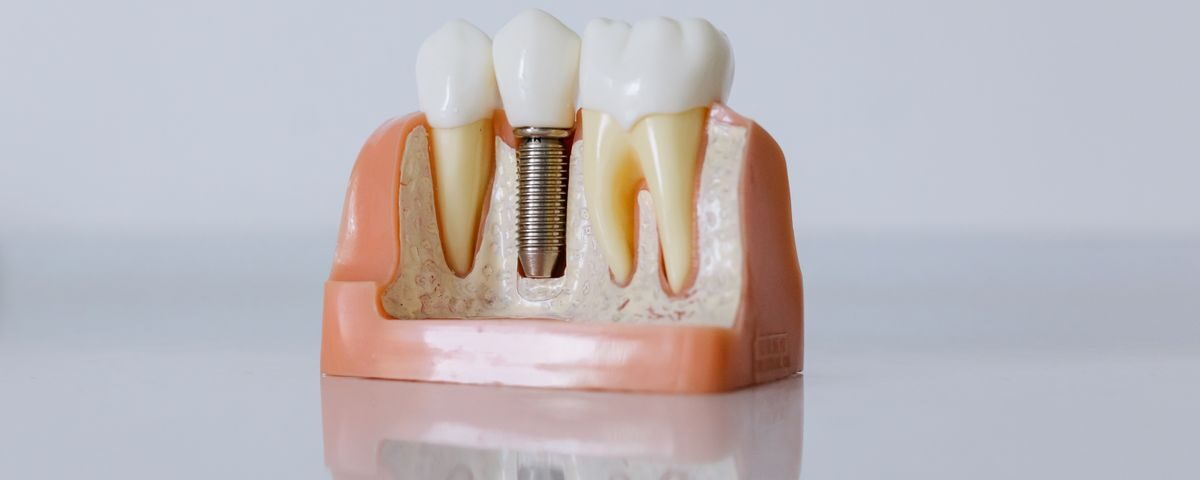
By Lovik Mirzaeian, DDS. Updated September 2026.
For a single missing tooth an implant is usually the better option, because it replaces the root as well as the crown and does not require cutting down the healthy teeth beside the gap. A bridge makes more sense when those neighbouring teeth already need crowns, when there is not enough bone for an implant, or when you need it finished quickly.
Both work. The right answer depends on the teeth either side of the gap, your bone, your timeline and your budget. Here is how to think about it.
What Each One Is
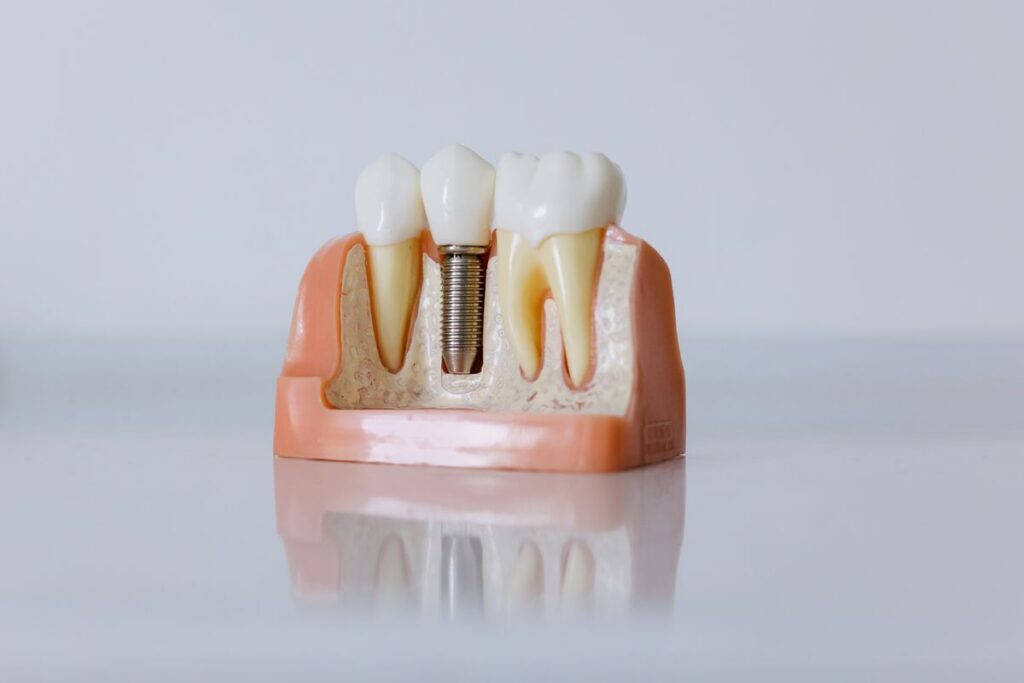
An implant is a titanium post placed into the jawbone where the root used to be. The bone grows onto it over a few months, then a crown is attached. Nothing is done to the teeth on either side.
A bridge spans the gap. The teeth on both sides are prepared, meaning healthy enamel is removed, and a single unit of three crowns is cemented across, with the middle one sitting over the gap.
The Bone Argument
This is the difference most people are not told about, and it is the strongest point in favour of implants.
Jawbone maintains itself because chewing forces travel down through the tooth root. Remove the root and that stimulation stops, and the bone in that spot begins resorbing within months. Over years it visibly changes the shape of the jaw and the support for the lip and cheek.
An implant restores that loading and the bone stays. A bridge sits above the gum and does nothing for the bone underneath, so the ridge under the middle of the bridge continues to shrink, which is why older bridges develop a gap you can see under them.
When a Bridge Is the Better Choice
When the teeth either side already have large fillings or need crowns. In that case you are not sacrificing healthy tooth, you are combining two jobs.
When there is not enough bone volume and you would rather not have a graft.
When you need it done in weeks rather than months. An implant needs healing time before the crown goes on.
When a health condition, heavy smoking or uncontrolled diabetes makes implant healing unpredictable.
When the cost difference genuinely decides it. A bridge now is far better than a gap for years.
When an Implant Is Clearly Better
When the teeth either side are untouched and healthy. Grinding down two virgin teeth to replace a third is a real cost that does not show on an invoice.
When the gap is at the back with no tooth behind it, where a bridge has nothing to anchor to.
When you are young enough that a bridge would need replacing two or three times over your life, and each replacement risks the supporting teeth.
When preserving the bone matters to you, which over decades it will.
What the Process Looks Like
An implant starts with a scan to check bone volume and nerve position. The post is placed, which is a shorter and less eventful appointment than most people expect, then three to six months of healing while bone integrates. Then the crown. If sedation makes the idea easier, it is available.
A bridge takes two visits over two or three weeks. Preparation and a temporary at the first, fitting at the second.
Both need good cleaning to last. Bridges need floss threaders or an interdental brush to clean under the middle unit, and that habit is what decides whether it reaches fifteen years. Implants need the gum around them kept healthy, because they can lose bone the same way teeth do. The American Dental Association is worth reading on both.
Our dental implants page covers what we do here in more detail.
Cleaning Each One Properly
This is what usually decides how long either option lasts, and it gets less attention than it deserves.
A bridge cannot be flossed normally, because the three units are joined. Cleaning under the middle section needs a floss threader, superfloss, or a small interdental brush pushed underneath. Skip that and plaque collects against the supporting teeth, which is exactly where bridges fail.
An implant does not decay, but the gum and bone around it can become inflamed in the same way gum disease affects a natural tooth. It is called peri-implantitis, it is largely silent, and it is the main reason implants are lost years later. Regular cleaning around the implant and regular exams are what prevent it.
What About a Partial Denture
Worth mentioning as the third option. A removable partial is much cheaper, does not involve cutting other teeth, and can replace several teeth at once. The trade-offs are that it is removable, it is less stable when chewing, and it does nothing for the bone underneath. For a single gap most people prefer a fixed solution, but for multiple missing teeth on a limited budget it is a legitimate choice rather than a poor one.
Frequently Asked Questions
Which is better, a dental implant or a bridge?
An implant is better for most single missing teeth, because it replaces the root and keeps the jawbone stimulated, and it does not involve cutting down the healthy teeth on either side. A bridge is the better choice when the neighbouring teeth already need crowns anyway, when bone volume is poor, or when you need the gap closed quickly.
How long does each one last?
Implants have the longer track record, with most still in place after twenty years and many lasting a lifetime with good gum care. Bridges typically last ten to fifteen years, and they usually fail because of decay in one of the supporting teeth rather than the bridge itself breaking.
Is an implant worth the extra cost?
Over a long enough period, usually yes, because a bridge is likely to be replaced at least once and each replacement puts the supporting teeth at more risk. Over a short period the bridge is cheaper. It depends on your age, the condition of the neighbouring teeth, and what you can spend now.
What happens if I just leave the gap?
The teeth either side drift into it and the opposing tooth drops down, which changes your bite and makes cleaning harder. The jawbone where the root was begins shrinking within months. Leaving a back gap for years often makes replacing it later more complicated and more expensive.
Weighing Up a Gap? We Will Give You Both Options Honestly
The right answer changes depending on the teeth either side, your bone and your timeline, and we would rather show you the scan and talk through both than push one. Contact us to set up a consultation and you will leave knowing what each would involve and cost.
Lovik Mirzaeian, DDS has achieved extensive training in multidisciplinary dental treatments. His credentials include Dental Implants, Cosmetic Dentistry, Full Mouth Reconstruction, Endodontics, Oral Surgery, Orthodontics, and Sleep Sedation. Our office puts your comfort and smile first, and we are dedicated to giving you top-notch dental care. Get ready to show off your perfect smile!
Looking for a trusted family dentist in Clovis? Dr. Mirzaeian welcomes new patients of all ages.