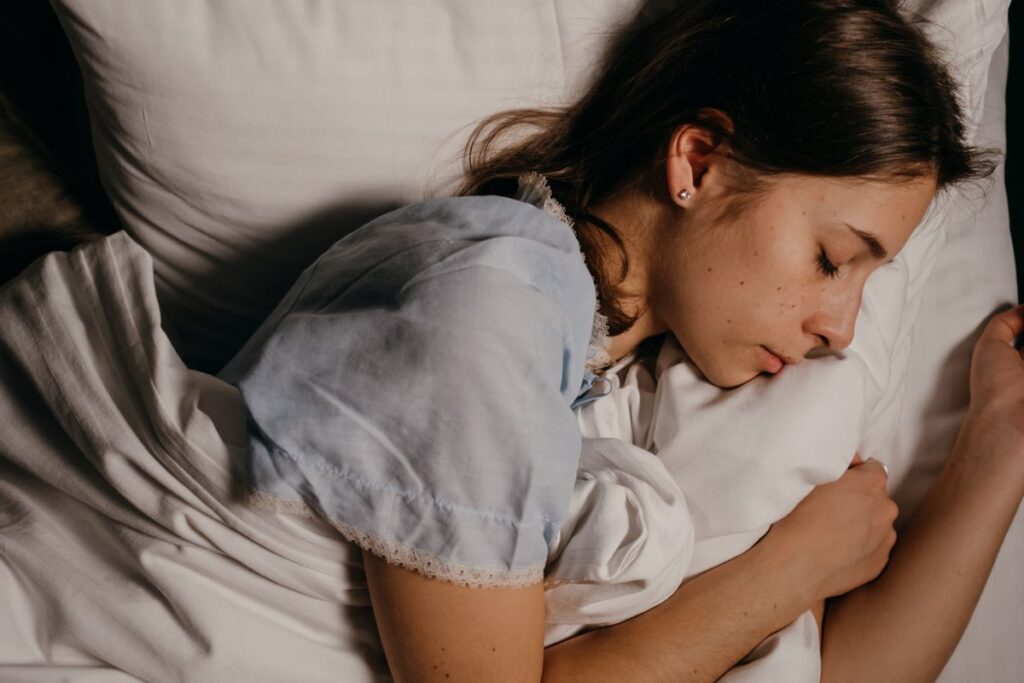
Snoring: When It Is More Than Just Noise

Sleep Apnea and Your Dentist: How Oral Appliances Work
October 18, 2026
By Lovik Mirzaeian, DDS. Updated October 2026.
Snoring becomes more than just noise when it comes with pauses in breathing, gasping or choking during sleep, waking up unrefreshed, or daytime sleepiness, because that pattern points to obstructive sleep apnea rather than simple vibration of the soft palate. Plain snoring is a nuisance for whoever shares the room. Snoring with those extra signs is a medical issue that raises blood pressure, strains the heart, and can be treated. The trick is telling the two apart, and a dentist is often the first person in a position to notice.
I ask every adult patient whether they snore, and a surprising number say yes with a laugh and move on. This post is about when not to move on.
What Snoring Actually Is
Snoring is the sound of air squeezing through a narrowed airway and rattling the soft tissue at the back of the throat. When you sleep, the tongue, soft palate, and throat muscles relax and sag. If the passage narrows enough, the tissue flutters with each breath and you snore. Lying on your back, alcohol before bed, nasal congestion, a heavy neck, and simply getting older all narrow the passage further.
Some people snore every night and breathe perfectly well. Their airway is narrow enough to vibrate but never closes. Nobody knows for certain why one narrow airway stays open and another collapses, but body weight, the shape of the jaw and throat, and muscle tone all play a part.
When Snoring Points to Sleep Apnea
In obstructive sleep apnea, the airway does not just narrow. It closes. Breathing stops, oxygen falls, and the brain wakes you just enough to tighten the throat and take a breath, usually with a snort or gasp. Then you drift back down and it happens again. The snoring in apnea is often loud, uneven, and broken by silences that end with a choking sound. A bed partner is the best witness, and if they describe that pattern, take it seriously.
Signs that show up while you are awake
The person snoring rarely hears it. What they notice instead is waking with a dry mouth or a headache, needing to urinate several times a night, feeling unrefreshed after a full night in bed, dozing off in meetings or at traffic lights, and being irritable or foggy for no clear reason. High blood pressure that is hard to control is another common thread. Our post on the warning signs of sleep apnea goes through the full list.
What a Dentist Sees
I spend more time looking into people’s mouths than any other kind of doctor, and the mouth carries clues about the airway.
A scalloped tongue
Wavy indentations along the edges of the tongue mean the tongue is pressing against the teeth, often because it is large for the space or because the person is pushing it forward during sleep to open the airway.
Worn, flattened teeth
Grinding and clenching are strongly linked with disturbed sleep. Some researchers think the jaw clenches as part of the effort to reopen a collapsed airway. If I see flat, chipped edges on the teeth and the patient also snores, I start asking questions. Our post on signs you grind your teeth at night describes what I look for.
A crowded throat
When you open wide and say ah, I can see how much room there is behind the tongue. A large tongue, big tonsils, a long soft palate, or a small lower jaw all make the airway more likely to collapse.
Dry mouth and its consequences
Snorers breathe through their mouths, which dries the mouth for hours every night. That shows up as more cavities, more gum inflammation, and morning bad breath. If you wake with a parched mouth most mornings, that alone is a reason to bring up snoring with me.
None of these signs diagnoses apnea by themselves. They tell me the odds are higher and that a sleep test is worth doing.
Snoring in Children
Children should not snore regularly. Occasional snoring with a cold is normal, but a child who snores most nights, breathes through the mouth, sleeps restlessly, or is unusually tired or hyperactive in the day may have enlarged tonsils and adenoids blocking the airway. This matters because poor sleep affects growth, learning, and behavior. A pediatrician or ear, nose, and throat specialist should evaluate a snoring child.
What to Do About Plain Snoring
If a sleep test rules out apnea and you simply snore, there is still plenty to try. Sleeping on your side keeps the tongue from falling back, and a tennis ball sewn into the back of a T-shirt is the old trick for enforcing it. Skip alcohol within a few hours of bed. Treat nasal congestion with a saline rinse or a nasal strip. Losing weight, if that applies, reduces snoring in most people who manage it. And a custom dental device that holds the lower jaw forward works well for snoring without apnea; our post on how oral appliances work explains the device. The American Dental Association also has an overview of snoring and apnea.
What to Do If It Might Be Apnea
Get tested. Ask your physician for a sleep study, or ask me for a referral. Home sleep tests are simple now: a small device worn for a night or two records breathing and oxygen. If the result shows apnea, a sleep physician will recommend CPAP, an oral appliance, or in some cases surgery or positional therapy, depending on severity. Treatment usually brings a noticeable change in energy within weeks, and many patients say they had forgotten what a rested morning felt like.
When to See a Dentist
Mention snoring at your next routine exam, even if it seems unrelated to your teeth. I will check for the signs above, ask about your sleep, and help you decide whether testing makes sense. If you have witnessed pauses in breathing, choking or gasping at night, or you are falling asleep during the day, do not wait for a routine visit. Contact your physician or call us for a referral this week.
Frequently Asked Questions
How do I know if my snoring is sleep apnea?
Snoring that is loud and uneven, broken by silences that end in a gasp or snort, is the classic pattern of sleep apnea. Waking unrefreshed, morning headaches, daytime sleepiness, and hard-to-control blood pressure add to the suspicion. Only a sleep study can confirm it.
Can a dentist tell if you have sleep apnea?
A dentist cannot diagnose sleep apnea, but can spot signs in the mouth such as a scalloped tongue, worn teeth from grinding, a crowded throat, and dry mouth damage. Those clues, along with your symptoms, are enough to recommend a sleep study with a physician.
Is it normal for a child to snore?
Occasional snoring during a cold is normal, but a child who snores most nights, mouth-breathes, sleeps restlessly, or is unusually tired or hyperactive during the day should be evaluated. Enlarged tonsils and adenoids are the most common cause, and poor sleep can affect growth and learning.
What helps stop snoring without sleep apnea?
Side sleeping, avoiding alcohol before bed, clearing nasal congestion, and losing weight if that applies all reduce snoring for most people. A custom dental appliance that holds the lower jaw forward is an effective option for persistent snoring once apnea has been ruled out.
Snoring Keeping the House Awake? Dr. Mirzaeian Can Help
We can look for the signs in your mouth, point you toward a sleep test, and fit an oral appliance if that is the right treatment. Please contact us to set up a consultation and we will help you sort out whether your snoring is just noise.
Lovik Mirzaeian, DDS has achieved extensive training in multidisciplinary dental treatments. His credentials include Dental Implants, Cosmetic Dentistry, Full Mouth Reconstruction, Endodontics, Oral Surgery, Orthodontics, and Sleep Sedation. Our office puts your comfort and smile first, and we are dedicated to giving you top-notch dental care. Get ready to show off your perfect smile!
Looking for a trusted family dentist in Clovis? Dr. Mirzaeian welcomes new patients of all ages.