What Is the Fastest Way to Cure Dry Mouth?

Back-to-School Dental Checklist for Clovis Unified Families
September 4, 2026
Black Tartar on Teeth: What It Means and How Dentists Remove It
September 6, 2026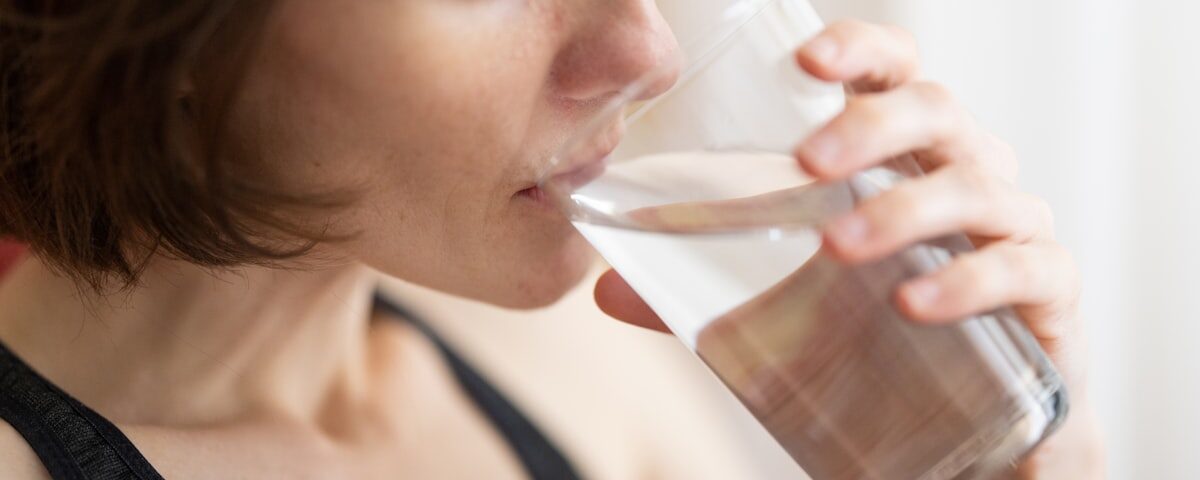
By Lovik Mirzaeian, DDS. Updated September 2026.
The fastest way to cure dry mouth is to sip water, then chew sugar-free gum or suck on a xylitol lozenge, which can trigger saliva flow within minutes. Running a humidifier at night and breathing through your nose instead of your mouth help it stay away. If dryness keeps returning, a dentist should find the cause.
Those quick fixes work because they treat the real problem: not enough saliva. Here’s every remedy that helps, ranked from fastest to slowest, plus the signs that your dry mouth needs a dentist.
What Is the Fastest Way to Cure Dry Mouth? Start With These Four Steps
These remedies work in minutes, not days. Try them in order.
1. Sip Water Slowly and Often
The fastest fix is also the simplest. Take small sips of plain water throughout the day rather than gulping a full glass at once. Frequent sips keep your mouth’s tissues moist and rinse away the sticky feeling that comes with low saliva. Keep a water bottle within reach, especially during meals.
2. Chew Sugar-Free Gum or Suck on a Xylitol Lozenge
Chewing is a powerful natural trigger for your salivary glands. Sugar-free gum or lozenges sweetened with xylitol get saliva flowing within a few minutes, and the American Dental Association lists sugarless gum and candy among the go-to ways to stimulate saliva. The sugar-free part matters, since a dry mouth is already more prone to cavities.
3. Run a Humidifier While You Sleep
If you wake up with a mouth like sandpaper, dry bedroom air is often part of the problem. A cool-mist humidifier running overnight adds moisture to the air, so your mouth and throat dry out less while you sleep. This one takes a night rather than minutes, but for morning dry mouth it beats almost everything else.
4. Cut Out the Things That Dry You Out
Some habits pull moisture out of your mouth faster than you can replace it. While you work on the remedies above, avoid:
- Caffeine and alcohol, which both have a drying effect
- Tobacco in any form, which reduces saliva flow and irritates dry tissue
- Alcohol-based mouthwash, which stings and dries an already parched mouth
- Salty, spicy, or very dry foods that are hard to swallow without saliva
- Breathing through your mouth, often caused by congestion or snoring
If a stuffy nose forces you to breathe through your mouth at night, treating the congestion often fixes the dry mouth along with it.
Daily Habits That Keep Dry Mouth From Coming Back
Quick relief is great, but the real goal is a mouth that doesn’t dry out at all. Build these habits into your routine:
- Drink water with every meal and keep a glass by your bed at night
- Brush twice a day with a fluoride toothpaste, since low saliva raises your cavity risk
- Floss daily to protect gums that dry conditions leave more vulnerable
- Use a lip balm to soothe cracked lips that often come with dry mouth
- Limit caffeine to the morning hours
Consistency beats any single trick here. Most people find their mouth stays comfortable longer once hydration and good brushing become automatic.
The Dry Mouth Products That Actually Work
Drugstore shelves are full of dry mouth sprays, gels, rinses, and pastes, and the differences between them are real. Saliva substitutes and moisturizing gels coat your mouth for longer-lasting relief than water alone, and an alcohol-free rinse made for dry mouth helps where a regular mouthwash would sting. We compared the options in our guide to the types of mouthwash to use for a dry mouth, including which ingredients to look for and which to avoid.
When Dry Mouth Needs a Dentist
Home remedies relieve dry mouth, but they don’t always cure it, because the cause is often something a remedy can’t touch. Hundreds of common medications list dry mouth as a side effect, including many blood pressure drugs, antihistamines, and antidepressants. Conditions like diabetes and certain autoimmune disorders can reduce saliva production too. Your dentist can review your medication list, check how well your salivary glands are working, and coordinate with your physician if a prescription change might help.
See a dentist if your dry mouth lasts more than a couple of weeks despite the steps above, if you have trouble chewing, swallowing, or speaking, if your mouth burns, or if you’re suddenly getting more cavities. Persistent dry mouth quietly raises your risk of decay and gum problems, which is one more reason routine dental exams matter so much when your mouth runs dry.
Frequently Asked Questions
What gets rid of dry mouth at night?
Run a cool-mist humidifier in your bedroom, sip water before bed, and skip alcohol and caffeine in the evening. If you breathe through your mouth while sleeping, treating nasal congestion often helps. A moisturizing gel applied before bed coats your mouth longer than water. If nights stay dry, ask your dentist about snoring or medication causes.
Why is my mouth so dry even after drinking water?
Water wets your mouth for a moment, but it can’t replace saliva, which coats and protects tissue for much longer. If drinking doesn’t help, your salivary glands may be underproducing, often because of a medication side effect, mouth breathing, or a health condition like diabetes. A dentist can help pinpoint which one is behind it.
Does chewing gum really help dry mouth?
Yes, as long as it’s sugar-free. The chewing motion stimulates your salivary glands to produce more saliva naturally, and gum sweetened with xylitol adds cavity protection on top. Relief usually starts within minutes and lasts as long as you chew. Avoid regular sugared gum, since a dry mouth is already more prone to decay.
What deficiency causes dry mouth?
Dehydration is the most common shortfall behind dry mouth, but deficiencies in certain B vitamins and iron have been associated with a dry or burning mouth in some people. Medications and salivary gland issues are far more frequent causes, though. Rather than guessing at supplements, have a dentist or physician evaluate persistent dryness first.
Dry Mouth That Won’t Quit? Dr. Mirzaeian Can Help
If your mouth stays dry no matter how much water you drink, there’s usually a fixable reason, and finding it starts with an exam, so contact us to set up a consultation. Most causes of dry mouth are very manageable once they’re identified.
Lovik Mirzaeian, DDS has achieved extensive training in multidisciplinary dental treatments. His credentials include Dental Implants, Cosmetic Dentistry, Full Mouth Reconstruction, Endodontics, Oral Surgery, Orthodontics, and Sleep Sedation. Our office puts your comfort and smile first, and we are dedicated to giving you top-notch dental care. Get ready to show off your perfect smile!
Looking for a trusted family dentist in Clovis? Dr. Mirzaeian welcomes new patients of all ages.