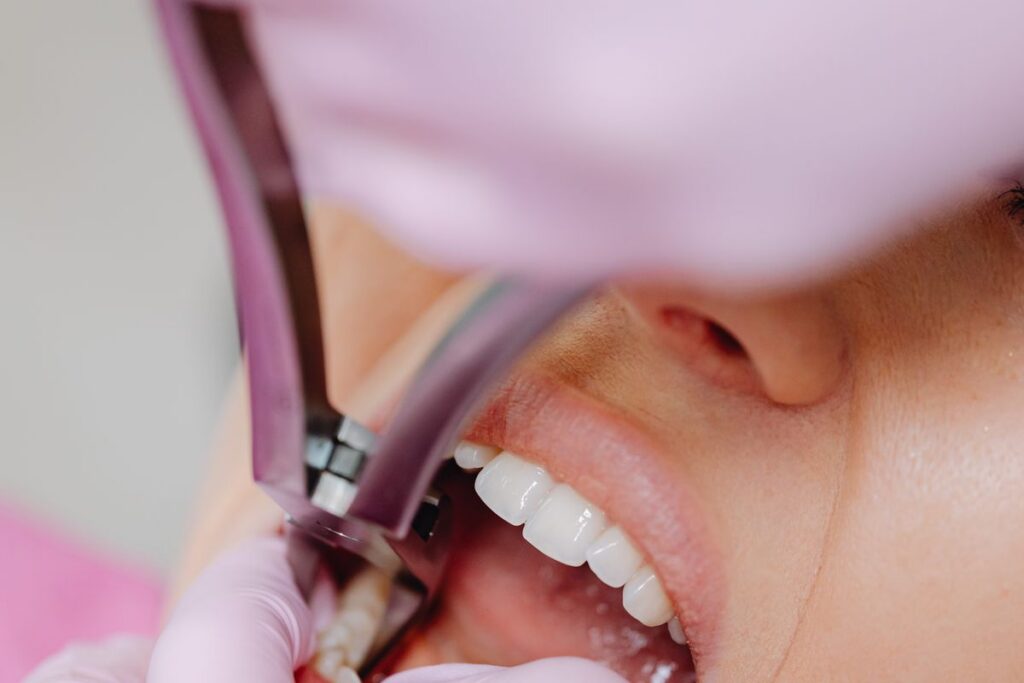
My Gums Hurt When I Brush My Teeth. What Does This Mean?

Habits We Don’t Realize Hurt Our Teeth
September 10, 2020
What’s Your Dental Emergency Plan?
September 21, 2020
My Gums Hurt When I Brush My Teeth. What Does This Mean?
By Lovik Mirzaeian, DDS. Updated October 2026.
Gums that hurt when you brush usually mean one of two things: you are brushing or flossing too hard, or your gums are inflamed because plaque has built up along the gumline. Both are common and both are usually fixable, but pain that lasts more than a week or two should be checked by a dentist.
Below are the most likely causes, how to tell them apart, what you can change at home and the signs that mean it is time to book an exam.
Common Reasons Your Gums Hurt When You Brush
Brushing too hard or with a hard brush
This is the most common cause. Scrubbing back and forth with medium or hard bristles can bruise gum tissue, and over time it can push the gums back from the teeth. Soft bristles clean just as well. If your brush looks splayed after a few weeks, you are pressing too hard.
Gingivitis
When plaque sits along the gumline, the gums react with inflammation. They turn red, look puffy, feel tender and often bleed when you brush or floss. Gingivitis is the early, reversible stage of gum disease. Better daily cleaning and a professional cleaning usually settle it.
Periodontitis
If gingivitis is left alone, the inflammation can spread below the gumline and start to damage the bone that holds the teeth. Signs include gums pulling back, bad breath that does not go away, pus, or teeth that feel loose. This stage needs professional treatment such as scaling and root planing.
Starting to floss again
If you have just started flossing after a long break, some tenderness and bleeding in the first week or two is normal. It should improve as the gums get healthier. If it does not, mention it at your next visit.
Other causes
- A canker sore or small cut near the gumline.
- Hormonal changes, for example during pregnancy, which can make gums more sensitive.
- Smoking or vaping, which affects gum health and can hide the usual warning signs.
- Conditions such as diabetes, which make gum problems more likely.
- A new toothpaste or mouthwash that irritates the tissue.
How to Brush Without Hurting Your Gums
- Use a soft-bristled toothbrush and replace it every three to four months.
- Hold the brush at a slight angle toward the gumline and use small, gentle circles instead of hard back-and-forth strokes.
- Let the bristles do the work. Light pressure is enough to remove plaque.
- Floss gently. Curve the floss around each tooth instead of snapping it down onto the gum.
- Brush twice a day for two minutes with a fluoride toothpaste.
Our guide on how to floss properly walks through the technique step by step. The American Dental Association's patient site also explains the warning signs of gum disease.
What Helps Sore Gums at Home
While you wait for things to settle, a few simple steps can make your gums more comfortable and help them heal:
- Rinse with warm salt water (about half a teaspoon of salt in a glass of warm water) once or twice a day.
- Keep brushing and flossing, just more gently. Stopping lets plaque build up and usually makes inflamed gums worse.
- Switch to a soft or extra-soft brush if you are not already using one.
- Avoid very hot, spicy or acidic foods for a few days if they make the soreness worse.
- Over-the-counter pain relief can help in the short term. Follow the label and check with a pharmacist if you take other medicines.
Avoid putting aspirin or other tablets directly against the gum, which can burn the tissue. Avoid harsh, alcohol-based rinses on sore gums as well.
Can sore gums heal on their own?
Soreness from brushing too hard usually improves within a few days once you ease off. Gingivitis can also reverse with better daily cleaning, but plaque that has hardened into tartar has to be removed by a dental professional before the gums can fully recover. If you are still sore after a week or two of gentle care, that is a sign something needs a closer look.
Is It Your Brushing or Gum Disease?
A rough guide: if your gums are sore but look pink and firm, and the soreness fades within a few days of switching to a soft brush and lighter pressure, brushing technique was the likely cause. If your gums are red, swollen or bleed easily, or the soreness keeps coming back, inflammation from plaque is more likely, and that needs a professional cleaning to clear the hardened deposits you cannot brush away.
Gum problems also connect to other parts of your health. Read more about diabetes and your gums and how to stop receding gums from getting worse.
When to See a Dentist About Gum Pain
Book an appointment if gum pain lasts longer than one to two weeks, if your gums bleed every time you brush, if they look swollen or are pulling back, or if a tooth feels loose. See a dentist sooner if you notice swelling in your face or jaw, pus, or a fever, since those can point to an infection. A routine exam and cleaning at our Clovis office will show what is causing the pain and what treatment, if any, you need.
Frequently Asked Questions
Why do my gums hurt when I brush my teeth all of a sudden?
Sudden gum soreness is often caused by brushing harder than usual, a new or firmer toothbrush, a small cut or canker sore, or a flare of gingivitis. If it does not settle within a week or two of gentle brushing, have a dentist take a look.
Is it normal for gums to hurt after flossing?
Mild tenderness is common when you first start flossing or go back to it after a break. It should ease within one to two weeks as the gums get healthier. Pain that continues or gets worse is worth mentioning to your dentist.
Can brushing too hard damage your gums?
Yes. Brushing too hard, especially with medium or hard bristles, can irritate gum tissue and contribute to gums pulling back over time. A soft brush and light pressure clean just as well and are much kinder to your gums.
When should I worry about gum pain?
See a dentist if the pain lasts more than one to two weeks, your gums bleed every time you brush, they look swollen or are receding, or a tooth feels loose. Facial swelling, pus or a fever need prompt attention.
Sore Gums That Will Not Settle? Dr. Mirzaeian Can Help
Most gum pain has a simple cause and a simple fix once someone takes a proper look. Contact our Clovis office to book an exam and cleaning.
Lovik Mirzaeian, DDS has achieved extensive training in multidisciplinary dental treatments. His credentials include Dental Implants, Cosmetic Dentistry, Full Mouth Reconstruction, Endodontics, Oral Surgery, Orthodontics, and Sleep Sedation. Our office puts your comfort and smile first, and we are dedicated to giving you top-notch dental care. Get ready to show off your perfect smile!
Looking for a trusted family dentist in Clovis? Dr. Mirzaeian welcomes new patients of all ages.