
Natural Ways to Remove Tartar: What Works and What Harms Teeth

Bad Oral Habits for Your Teeth
August 3, 2020
Habits We Don’t Realize Hurt Our Teeth
September 10, 2020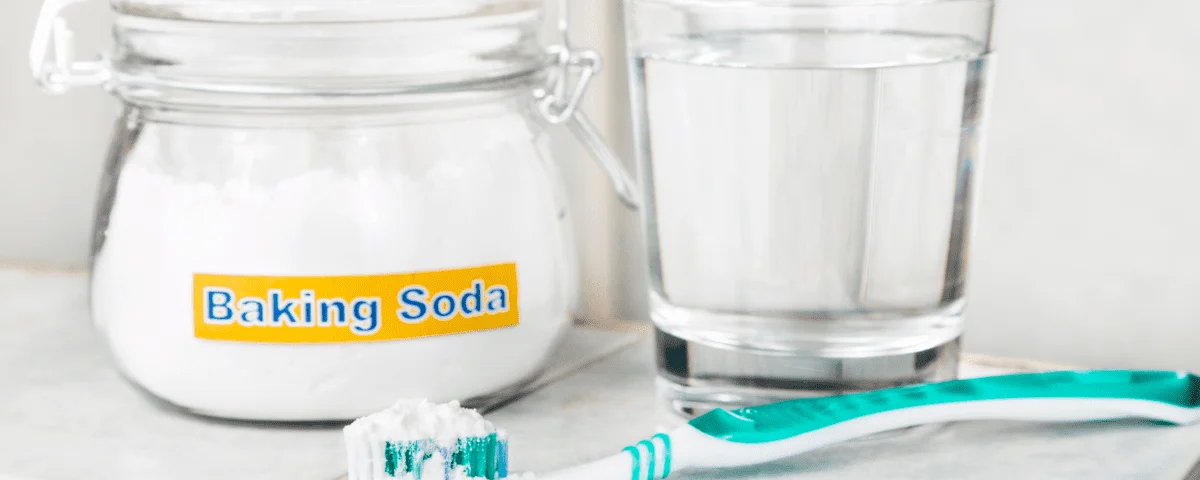
Natural Ways to Remove Tartar: What Works and What Harms Teeth
By Lovik Mirzaeian, DDS. Updated October 2026.
You cannot safely remove hardened tartar at home. Once plaque has calcified into tartar, it is bonded to the tooth and only comes off with professional instruments during a dental cleaning. What you can do at home is stop new tartar from forming, and some popular home remedies, especially vinegar and citrus, can damage your enamel while trying.
Below is what tartar actually is, what baking soda and other home methods can and cannot do, which remedies to avoid and how to keep tartar from coming back.
What Is Tartar?
Plaque is the soft, sticky film of bacteria that forms on teeth every day. If it is not brushed and flossed away, minerals from saliva harden it into tartar, also called calculus. Tartar is rough and porous, so it collects more plaque and stains easily. It usually shows up as a yellow, tan or brown crust along the gumline, especially behind the lower front teeth and on the cheek side of the upper back teeth, where saliva glands sit.
Because tartar holds bacteria right against the gums, it plays a big part in gum inflammation, bleeding and, over time, gum disease. Our post on plaque on teeth explains how the two are connected, and black tartar on teeth covers the darker deposits that can form below the gumline.
Does Baking Soda Remove Tartar?
Baking soda can help remove plaque and some surface stains because it is mildly abrasive, and it is less acidic than many foods and drinks. That makes it useful for keeping teeth clean between visits. It does not dissolve or break down hardened tartar.
If you want to use baking soda
- Use it occasionally, not as a full replacement for fluoride toothpaste, since plain baking soda has no fluoride.
- Brush gently with a soft brush. Scrubbing hard with any abrasive can wear enamel and irritate gums.
- Many toothpastes already contain baking soda along with fluoride, which gives you both benefits in one product.
Does Vinegar Remove Tartar From Teeth?
No, and we do not recommend trying. Vinegar is an acid. It may soften some deposits on household surfaces, but in your mouth the same acid also softens tooth enamel. Rinsing or soaking teeth in vinegar regularly can wear enamel away, cause sensitivity and make teeth look more yellow over time as the layer underneath shows through. Lost enamel does not grow back.
Home Remedies to Avoid
- Vinegar rinses. Acidic and hard on enamel, as above.
- Lemon juice, orange peel or other citrus rubs. Citric acid erodes enamel. Holding it against your teeth is one of the quicker ways to cause damage.
- Scraping tartar with metal picks or scalers bought online. It is easy to scratch enamel, cut the gums or push deposits further under the gumline.
- Hard scrubbing with abrasive powders. This can wear enamel and push the gums back without removing tartar.
Foods such as crunchy vegetables or seeds can help clear some food debris as you chew, but they do not remove tartar either.
What Actually Works at Home: Preventing Tartar
Since tartar forms from plaque that is left behind, the most effective home care is removing plaque before it has a chance to harden.
- Brush twice a day for two minutes with a fluoride toothpaste and a soft brush.
- Angle the brush toward the gumline, where tartar starts.
- Clean between your teeth every day with floss or interdental brushes. Our guide on how to floss properly shows the technique.
- Consider a tartar-control toothpaste, which can help slow new buildup but will not remove existing tartar.
- An electric toothbrush can make it easier to clean consistently along the gumline.
- Cut down on frequent sugary snacks and drinks, which feed plaque bacteria.
- Drink water through the day and avoid smoking, which encourages buildup and stains.
The American Dental Association's patient site has more on plaque and how to control it.
How Dentists Remove Tartar
During a professional cleaning, a dentist or hygienist uses hand scalers and often an ultrasonic instrument to break tartar off above and just below the gumline, then polishes the teeth to smooth the surface. It is usually painless or only mildly uncomfortable. Our post on what a dental cleaning involves walks through each step.
If tartar has built up deep below the gums and caused gum disease, a deeper cleaning called scaling and root planing may be needed. Catching tartar early with regular cleanings usually avoids that.
When to See a Dentist About Tartar
Book a cleaning if you can see a hard yellow or brown line along your gums, if your gums bleed when you brush, or if you have bad breath that does not go away. Most people do well with a cleaning every six months, though some need them more often. A checkup and cleaning at our Clovis office removes the tartar safely and gives you a clean starting point for your home care.
Frequently Asked Questions
Can you remove tartar at home?
Not once it has hardened. Tartar is calcified plaque that bonds to the tooth, and it can only be removed safely with professional instruments during a dental cleaning. At home you can remove plaque before it hardens and slow new tartar from forming.
Does vinegar dissolve tartar on teeth?
No, and it is not safe to try. Vinegar is acidic and softens tooth enamel as well as deposits. Regular vinegar rinses can wear enamel away, cause sensitivity and make teeth look more yellow.
Does baking soda remove tartar?
Baking soda can help remove plaque and some surface stains, but it does not dissolve hardened tartar. If you use it, brush gently and keep using a fluoride toothpaste, since plain baking soda has no fluoride.
How often should tartar be removed by a dentist?
Most people do well with a professional cleaning every six months. People who build tartar quickly or have gum disease may need cleanings more often. Your dentist will recommend the right interval for you.
Tartar Building Up? Dr. Mirzaeian Can Help
A professional cleaning removes tartar safely and quickly, and we can show you where it tends to build up so your home care works better. Contact our Clovis office to book a cleaning.
Lovik Mirzaeian, DDS has achieved extensive training in multidisciplinary dental treatments. His credentials include Dental Implants, Cosmetic Dentistry, Full Mouth Reconstruction, Endodontics, Oral Surgery, Orthodontics, and Sleep Sedation. Our office puts your comfort and smile first, and we are dedicated to giving you top-notch dental care. Get ready to show off your perfect smile!
Looking for a trusted family dentist in Clovis? Dr. Mirzaeian welcomes new patients of all ages.