
What a Dental Hygienist Actually Does

Composite Bonding: How Long It Lasts and How to Make It Last Longer
November 17, 2026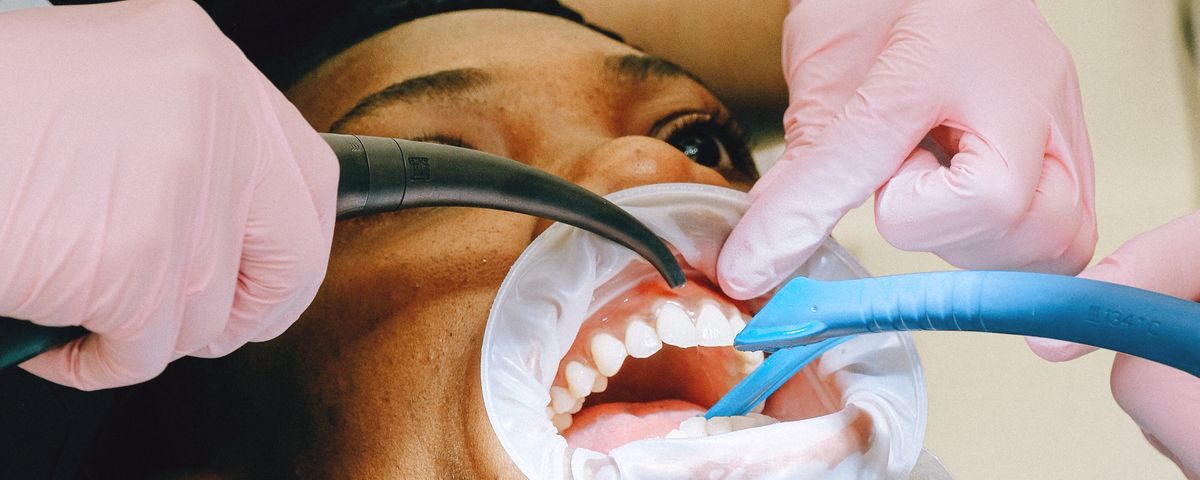
By Lovik Mirzaeian, DDS. Updated November 2026.
A dental hygienist is a licensed clinician who measures the health of your gums, removes the hardened plaque your toothbrush cannot reach, screens for gum disease and oral cancer, and works out with you what to change at home so the next visit is better than this one. The polishing at the end is the part people remember, but it is the least important part of the hour. Calling the appointment a clean undersells it. It is closer to a physical for your mouth.
Here is what is actually happening in the chair, step by step, and why each part matters.
Reviewing Your Health First
The visit starts with questions, and they are not filler. Changes in your medications, a new diagnosis of diabetes or high blood pressure, pregnancy, a recent joint replacement, or a new habit like vaping all change how your gums behave and how we treat you. Some medications dry the mouth and raise your decay risk. Blood thinners affect how your gums bleed during scaling. A hygienist who knows this before starting will do a safer, more useful job.
Measuring Your Gums
The hygienist runs a thin, blunt probe with millimeter markings gently into the groove between the gum and each tooth, at six points around every tooth, and calls out numbers to be recorded. Those numbers are the depth of the pocket. Shallow pockets mean the gum is attached firmly. Deeper pockets mean the attachment has been lost to gum disease and bacteria are living where a brush cannot reach. Any bleeding during probing is noted too, because a healthy gum does not bleed when touched.
This chart is compared with the last one. A pocket that has gone from three to five since last year tells us something is changing, long before it would hurt or be visible. If you have ever wondered what the numbers mean, our post on gum pocket numbers explains the scale.
Looking at the Whole Mouth
Before any scaling begins, the hygienist examines your soft tissues: the tongue, floor of the mouth, cheeks, palate, and throat. This is an oral cancer screening, and it takes about a minute. They also check for recession, worn or cracked teeth, broken fillings, signs of grinding, and dry mouth. Anything unusual is flagged for the dentist to look at during the exam portion of the visit. X-rays, when they are due, are taken now as well, because they show decay between teeth and bone loss around roots that no amount of looking will reveal.
Scaling: The Part That Matters Most
Plaque that stays on a tooth for more than a day or two starts to harden into tartar, also called calculus. Once it is hard, brushing and flossing cannot remove it. Tartar is rough, so more plaque sticks to it, and the bacteria in that plaque irritate the gum and slowly destroy the bone underneath. Our post on plaque on teeth covers how quickly this happens.
Scaling is the removal of that tartar, above and, more importantly, below the gumline. The hygienist uses an ultrasonic scaler, which vibrates the deposits off and washes them away with a fine spray, and then hand instruments to feel for and remove what the ultrasonic missed. Below the gumline, this is done largely by touch. A skilled hygienist can feel a fleck of tartar on a root surface they cannot see. This is the step that actually stops gum disease. Everything else in the visit supports it.
If your pockets are deep and the tartar sits well below the gum, a standard cleaning is not enough, and the hygienist will recommend a deeper cleaning done in sections with local anesthetic. That is called scaling and root planing, and it is the first line of treatment for periodontitis.
Polishing and Fluoride
After scaling, the teeth are polished with a rotating rubber cup and a mildly gritty paste, or with a fine powder spray. This removes surface stain and leaves the enamel smooth so plaque has a harder time sticking over the next few weeks. It is pleasant, but it is cosmetic. A visit that was only polishing would do almost nothing for your gums.
Fluoride varnish, painted on at the end, strengthens the enamel and calms sensitive root surfaces. It is routine for children and increasingly recommended for adults with recession, dry mouth, or a history of cavities.
Teaching, Not Lecturing
The last part of the visit is the conversation. A good hygienist has just spent forty minutes inside your mouth and knows exactly where you are missing. They will show you, often with a mirror, the one spot where plaque always builds, and adjust your technique for it. That might mean angling the brush differently along the gumline, switching to a smaller interdental brush for a tight gap, or changing the order you floss in so you do not skip the back teeth. This is not a scolding. It is the most personalized advice you will get about your own mouth, and it is worth listening to. The American Dental Association has a plain description of what to expect from a dental visit if you want to read more.
How Often You Need This
Twice a year is the usual rhythm for healthy gums. People with a history of gum disease, diabetes, dry mouth, or heavy tartar buildup are often seen every three or four months, because their tartar returns to a harmful level faster. The hygienist sets that interval based on your chart, not on a fixed rule. Our post on how often you should get your teeth cleaned goes into how we decide.
When to See a Dentist
If it has been more than a year since your last hygiene visit, book one. Gum disease does not hurt until it is advanced, and the measurements the hygienist takes are the only reliable way to catch it early. If your gums bleed when you brush, feel puffy, or have started to pull back from the teeth, do not wait for a routine slot. A routine exam and cleaning with our hygiene team is where the picture gets measured, and where a small problem stays small.
Frequently Asked Questions
What is the difference between a dental hygienist and a dentist?
A hygienist is a licensed clinician who focuses on preventing and treating gum disease: measuring gums, removing tartar above and below the gumline, screening tissues, and coaching home care. A dentist diagnoses disease, and does fillings, crowns, extractions, and other treatment. At most visits you see both.
Why does the hygienist call out numbers?
The numbers are the depth in millimeters of the pocket between your gum and each tooth, measured at six points per tooth. Small numbers mean firm, healthy attachment. Larger numbers mean gum disease has loosened that attachment. The numbers are compared with your last visit to spot change early.
Is a dental cleaning just polishing?
No. Polishing is the last few minutes and is mostly cosmetic. The main work is scaling, which removes hardened tartar from above and below the gumline where your brush cannot reach. That step is what actually prevents and treats gum disease.
How often should I see the dental hygienist?
Every six months is the usual interval for healthy gums. If you have had gum disease, have diabetes or dry mouth, or build tartar quickly, every three or four months is often recommended. The hygienist sets the interval based on your measurements rather than a fixed rule.
Overdue for a Proper Cleaning? Dr. Mirzaeian Can Help
The hygiene team works alongside Lovik Mirzaeian, DDS so that what the hygienist measures and finds goes straight into your treatment plan. If it has been a while, or your gums have been bleeding, contact us to set up a consultation.
Lovik Mirzaeian, DDS has achieved extensive training in multidisciplinary dental treatments. His credentials include Dental Implants, Cosmetic Dentistry, Full Mouth Reconstruction, Endodontics, Oral Surgery, Orthodontics, and Sleep Sedation. Our office puts your comfort and smile first, and we are dedicated to giving you top-notch dental care. Get ready to show off your perfect smile!
Looking for a trusted family dentist in Clovis? Dr. Mirzaeian welcomes new patients of all ages.