What Happens If You Do Not Replace a Missing Back Tooth

Tooth-Colored Fillings vs Silver Amalgam: Which Is Better?
October 3, 2026
How to Floss Properly: The Technique Most People Get Wrong
October 5, 2026
By Lovik Mirzaeian, DDS. Updated October 2026.
If you do not replace a missing back tooth, the teeth on either side gradually tip into the gap, the tooth above or below it drifts out of its socket, and the jawbone under the space shrinks because nothing is stimulating it. None of this happens overnight, but it does happen, and after a few years the gap becomes harder and more expensive to fix than it was at the start.
I understand why people leave a back tooth alone. It does not show. It does not hurt anymore. Money is tight. But I see the downstream effects every week, so let me walk you through what actually unfolds and when.
The First Few Months: Nothing Obvious
Right after an extraction, the socket heals and the gum closes over. After a few weeks you forget it is there. This is the stage where most people decide the gap is fine.
Under the surface, bone loss has already begun. The jawbone stays dense because tooth roots press on it with every bite. Remove the root and the bone in that spot has no job. It starts to resorb, meaning the body reabsorbs it. The fastest loss happens in the first year. This matters most if you ever want an implant, because an implant needs bone to anchor into.
One to Three Years: Drift and Tipping
Teeth are not fixed in place. They are held in a ligament and respond to pressure. Take away a neighbor and the teeth beside the gap start to lean into it. A molar behind a gap tips forward, which opens up a food trap under its leaning side and makes it harder to clean. Decay and gum problems in that spot follow.
The tooth directly across from the gap, on the opposing jaw, has lost the thing it used to bite against. It drifts downward, or upward if it is a lower tooth, a process called supraeruption. Over a few years it can hang noticeably into the space. Its root becomes more exposed as it moves, and it becomes more sensitive and more vulnerable to gum recession.
Why That Complicates Replacement
If you decide on an implant or bridge three years later, there may no longer be room. The tipped neighbor and the dropped opposing tooth have closed the space. Sometimes we can adjust them. Sometimes the opposing tooth needs a crown to shorten it, or a root canal if we have to remove too much. The replacement that would have been simple has turned into a project.
Three Years and Beyond: Bite Changes
You chew where the teeth are. With a molar gone on one side, most people shift chewing to the other side without noticing. That side wears faster. The jaw joint on the overworked side can get sore or start clicking. Some people notice headaches or a tired feeling in the jaw muscles by evening.
As more teeth tip and drift, the whole bite can slowly shift. In someone missing several back teeth, the front teeth end up doing work they were never designed for. They chip, wear, and can start to flare outward. Dentists call the late stage of this bite collapse. It is not common from a single missing tooth, but each additional lost tooth makes it more likely.
What It Means for Your Face
A single missing molar will not change how you look. Losing several back teeth over time can. The bone that supported them shrinks, the cheeks lose some support, and the lower face can appear shorter. This is a slow process over many years, and it is one of the reasons I push back gently when someone plans to let back teeth go one by one.
The Options, Briefly
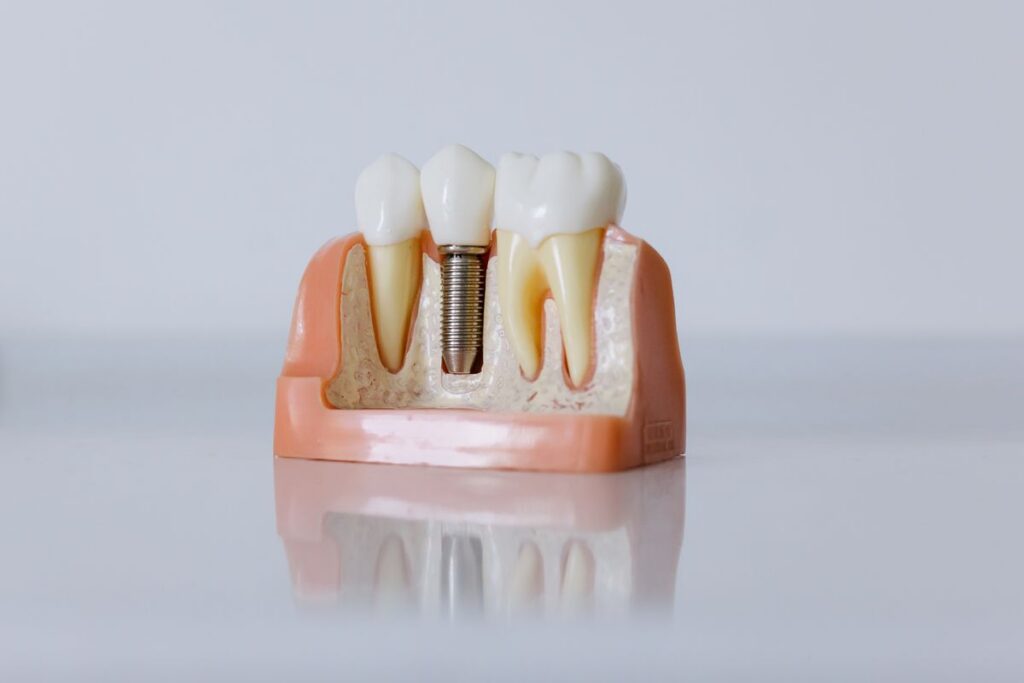
There are three usual ways to fill the space. An implant is a titanium post placed in the bone with a crown on top. It stands alone, does not touch the neighbors, and stimulates the bone so it does not keep shrinking. A bridge uses the teeth on either side as anchors for a false tooth in the middle; it is faster and does not need surgery but requires shaping those neighboring teeth. A removable partial denture is the least expensive and the least comfortable.
I compared the first two in detail in dental implant vs bridge. The American Dental Association also has a plain overview of implants if you want a second source. And if you already have questions about the implant process, our implant FAQ covers the common ones.
Is There Ever a Case for Leaving It?
Yes, occasionally. A missing wisdom tooth needs no replacement at all. A second molar at the very back, with nothing behind it and a healthy tooth opposing it, can sometimes be left if the opposing tooth is monitored and the patient understands the trade-off. Age and overall health factor in too. I would rather have that honest conversation than pretend every gap is an emergency. But for a first molar or a premolar, the case for replacing it is strong.
Timing Matters More Than Most People Think
If you are leaning toward an implant, the best window is usually within the first several months to a year after extraction, before the bone has shrunk much. In some cases we place a bone graft in the socket at the time of extraction specifically to preserve the site for a future implant. If you have already waited years, an implant may still be possible, but it may require grafting first, which adds time and cost.
For a bridge, timing is more forgiving, but the neighboring teeth still need to be reasonably upright and healthy to serve as anchors.
When to See a Dentist
If you have a gap you have been ignoring, book a routine exam and ask specifically about it. An x-ray will show how much bone remains and whether the neighbors have moved, and we can talk through what makes sense for you. If a tooth is loose, broken, or hurting now, call our emergency dentist line first and we will deal with the urgent part before planning anything else.
Frequently Asked Questions
Is it OK to leave a missing back tooth?
For a wisdom tooth, yes. For most other back teeth, leaving the gap leads to drifting neighbors, a dropped opposing tooth, and bone shrinkage over a few years. The gap can usually still be fixed later, but it often becomes more complicated and more expensive.
How long after a tooth extraction can you get an implant?
The most favorable window is typically within the first several months to a year, before much bone is lost. Implants can often still be placed years later, but bone grafting may be needed first. Your dentist can check remaining bone on an x-ray or scan.
What happens to the tooth above a missing tooth?
Without a tooth to bite against, the opposing tooth slowly drifts out of its socket into the space. This is called supraeruption. Over time it can expose the root, cause sensitivity, and close the gap so that a replacement no longer fits without adjusting that tooth.
Does a missing tooth cause bone loss?
Yes. Jawbone stays dense because tooth roots stimulate it with every bite. Once a tooth is gone, the bone in that spot begins to resorb, fastest in the first year. An implant is the only replacement that puts a root-like structure back in the bone and helps preserve it.
Have a Gap You Have Been Ignoring? Dr. Mirzaeian Can Help
The earlier we look at a missing tooth, the more options you have and the simpler they tend to be. Contact us to set up a consultation and we will show you what is happening in that space and what it would take to fix it.
Lovik Mirzaeian, DDS has achieved extensive training in multidisciplinary dental treatments. His credentials include Dental Implants, Cosmetic Dentistry, Full Mouth Reconstruction, Endodontics, Oral Surgery, Orthodontics, and Sleep Sedation. Our office puts your comfort and smile first, and we are dedicated to giving you top-notch dental care. Get ready to show off your perfect smile!
Looking for a trusted family dentist in Clovis? Dr. Mirzaeian welcomes new patients of all ages.