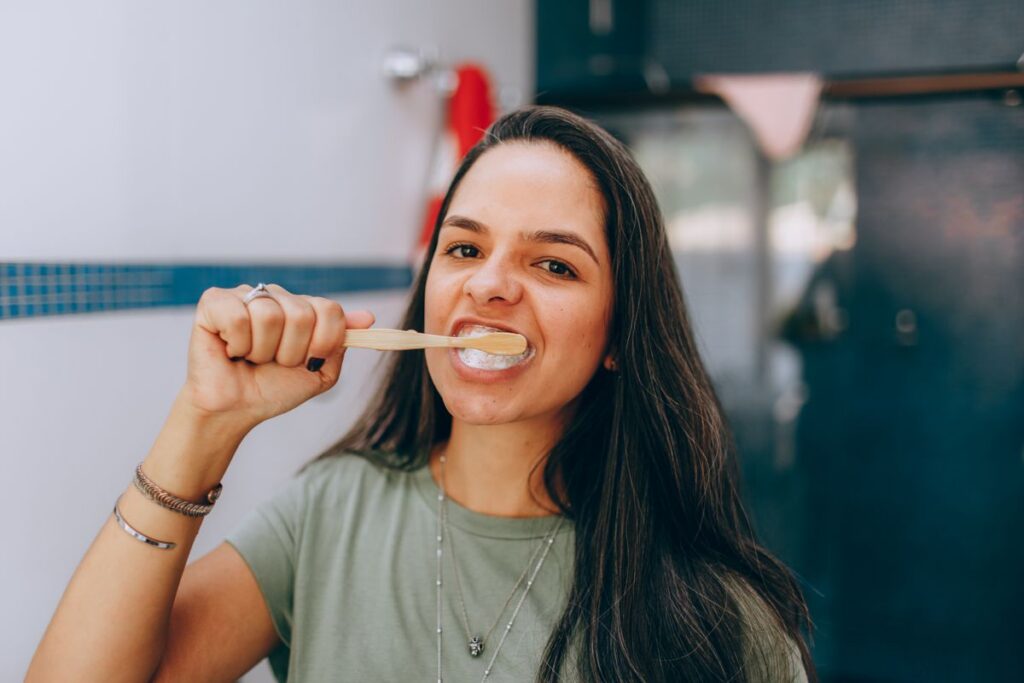
Why Are My Teeth Yellow Even Though I Brush Every Day?

When Should a Child First See a Dentist?
September 14, 2026
Dental Abscess: Signs, Dangers, and When to Go Now
September 16, 2026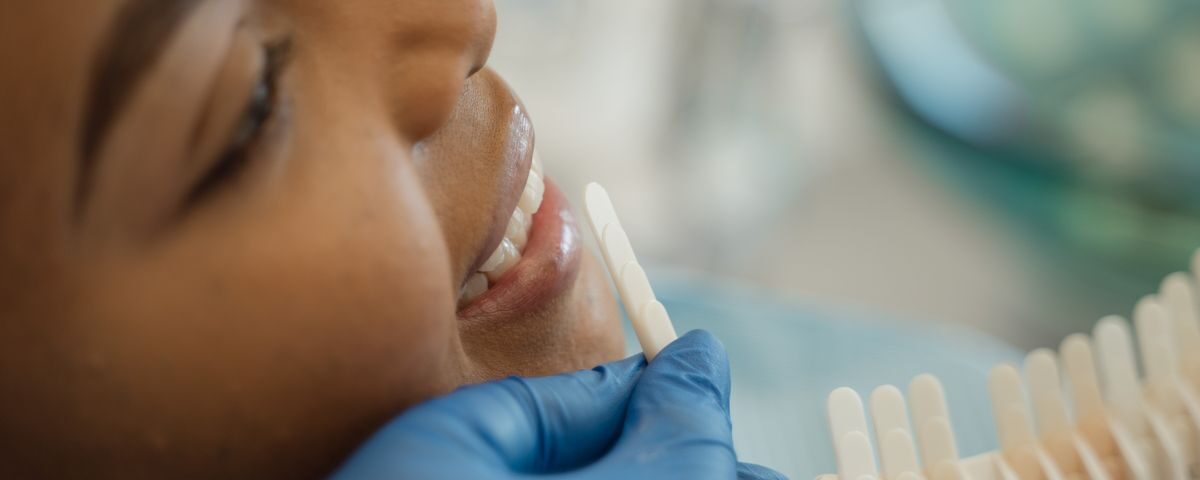
By Lovik Mirzaeian, DDS. Updated September 2026.
Your teeth can be yellow despite good brushing because the colour is usually coming from inside the tooth, not from the surface. Enamel is translucent and it thins with age, letting the naturally yellow dentin underneath show through. No toothpaste changes that.
Surface staining from coffee and tea is a separate problem, and that one does respond to cleaning and whitening. Working out which you have decides what will actually help.
Surface Stain Versus Internal Colour
There are two different things people call yellow teeth.
Extrinsic staining sits on the outside of enamel. Coffee, tea, red wine, dark sodas, curry and tobacco all deposit pigment into the microscopic pores of enamel. This kind of yellowing builds up over months, tends to be worse near the gumline and between teeth, and lifts with a professional cleaning and whitening.
Intrinsic colour is the tooth itself. Dentin, the layer under enamel, is naturally a yellow-brown, and enamel is semi-transparent. As enamel thins the dentin reads through more strongly. This is why teeth look yellower at fifty than at twenty even with perfect care, and why scrubbing harder makes it worse rather than better.
What Actually Causes It
Age and Enamel Thinning
Enamel wears down over decades from chewing and acid. Thinner enamel means more dentin showing. This is the most common cause in adults over forty and it is not a hygiene failure.
Acidic Drinks
Soda, citrus, sports drinks and wine soften enamel temporarily. Brushing straight after scrubs away softened enamel, which accelerates the thinning. Wait thirty minutes.
Brushing Too Hard
Hard bristles and heavy pressure remove enamel and push gums back, exposing root surfaces that are darker than the crown. People who brush hardest often have the yellowest teeth, which surprises them.
Staining Foods and Drinks
Anything that would stain a white shirt will stain enamel. Coffee is the biggest offender simply because of how often it is consumed.
Smoking and Vaping
Tar and nicotine produce a stubborn yellow-brown stain that penetrates enamel deeply and returns quickly after cleaning.
Medication and Development
Tetracycline antibiotics taken while teeth were forming create grey or banded discolouration that whitening cannot fix. Excess fluoride during development causes white or brown mottling. Both usually need veneers or bonding rather than bleaching.
What Works and What Does Not
A professional cleaning removes tartar and surface stain, and for a lot of people that alone makes a visible difference. It is also the cheapest option and it should come first.
In-office whitening uses a stronger peroxide gel than anything sold over the counter and gets several shades in one visit. Custom take-home trays are slower but reach a similar result and are easier on sensitivity.
Strips work on mild surface staining. They cannot reach between teeth properly and they do nothing for intrinsic colour.
Charcoal toothpaste is abrasive and there is no good evidence it whitens. Over time it can thin enamel, which makes teeth look yellower. The American Dental Association is clear that abrasion is not whitening.
Oil pulling, baking soda and lemon juice do not whiten teeth. Lemon juice actively damages enamel.
Veneers change the colour of the tooth surface entirely and are the answer for intrinsic discolouration that will not bleach.
Before You Whiten
Whitening an untreated cavity hurts and whitening over gum disease irritates the gums. Existing fillings, crowns and veneers do not change colour with bleach, so whitening natural teeth around old white fillings can leave the fillings looking obviously darker. A routine dental exam first avoids all three problems and takes very little time.
Sensitivity during whitening is normal and temporary. If your teeth already react to cold, mention it, because the concentration and the timing can be adjusted. Our piece on cold sensitivity covers why that happens.
What to Expect From Whitening, Realistically
Most people move three to six shades with in-office whitening, and the result looks natural rather than artificial. Teeth that start yellow respond best. Grey teeth respond least, because grey usually comes from within the tooth structure rather than from staining.
The first forty eight hours after whitening matter more than people realise. The pores in enamel are temporarily open, which makes teeth unusually easy to stain. Coffee, tea, red wine, curry, tomato sauce and red berries in that window will undo part of the result. A day or two of pale food is worth it.
Sensitivity during and just after treatment is normal, peaks within a day, and settles. A sensitivity toothpaste used for two weeks beforehand reduces it noticeably, which is worth knowing before you start rather than after.
Frequently Asked Questions
Why are my teeth yellow even though I brush every day?
Because most yellowing is not surface staining. Enamel thins with age and the dentin underneath is naturally yellow, so the colour showing through is the tooth itself. Brushing removes plaque and fresh stains, it does not change the shade of dentin, and no toothpaste can.
Can yellow teeth become white again?
Usually yes, though how white depends on the cause. Surface staining from coffee, tea and red wine lifts well with professional whitening. Yellowing from thinned enamel responds less, because you are looking through to dentin. Staining from tetracycline or fluorosis often needs veneers rather than bleaching.
Does whitening toothpaste actually work?
Only on surface stains, and mildly. Whitening pastes are abrasives with mild polishing agents, they cannot change the internal colour of a tooth. The stronger ones can also wear enamel with heavy long term use, which makes teeth look yellower over time, not whiter.
How long does professional whitening last?
One to three years for most people, depending on what you drink and whether you smoke. Coffee, tea, red wine and dark sodas bring the stain back fastest. A touch-up tray at home every six to twelve months keeps the result without repeating the full treatment.
Want to Know What Your Teeth Would Actually Look Like? Ask Us
The useful first step is finding out whether your yellowing is surface stain or the tooth itself, because that determines whether whitening is worth the money for you. We will tell you honestly, including when the answer is that a cleaning is enough. Contact us to set up a consultation.
Lovik Mirzaeian, DDS has achieved extensive training in multidisciplinary dental treatments. His credentials include Dental Implants, Cosmetic Dentistry, Full Mouth Reconstruction, Endodontics, Oral Surgery, Orthodontics, and Sleep Sedation. Our office puts your comfort and smile first, and we are dedicated to giving you top-notch dental care. Get ready to show off your perfect smile!
Looking for a trusted family dentist in Clovis? Dr. Mirzaeian welcomes new patients of all ages.