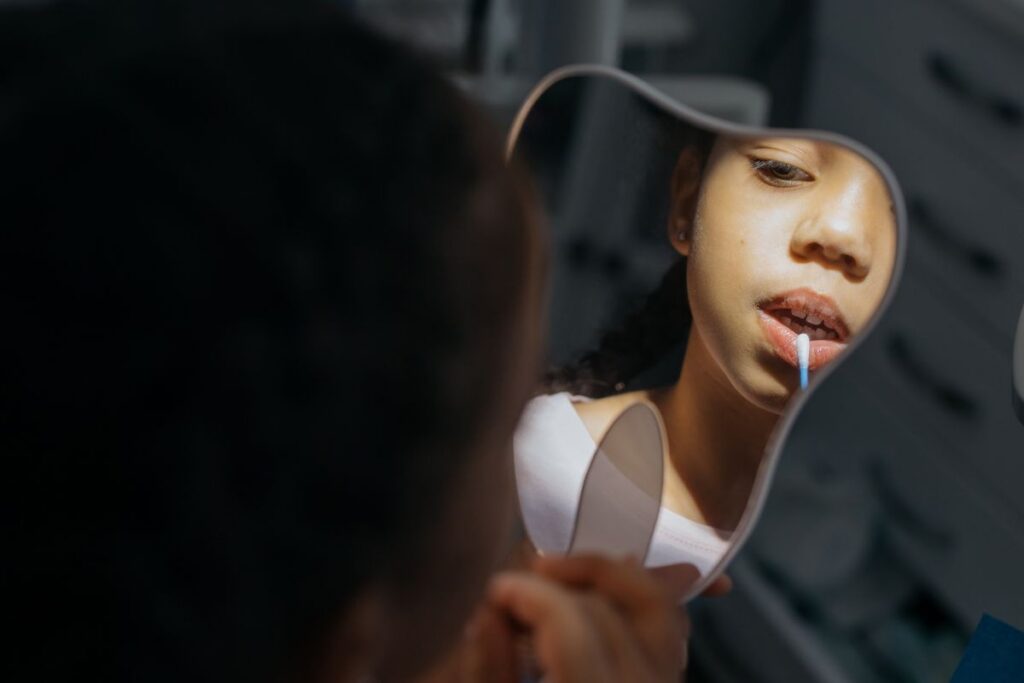
When Should a Child First See a Dentist?

Do I Really Need a Crown? What a Dentist Is Looking At
September 13, 2026
Why Are My Teeth Yellow Even Though I Brush Every Day?
September 15, 2026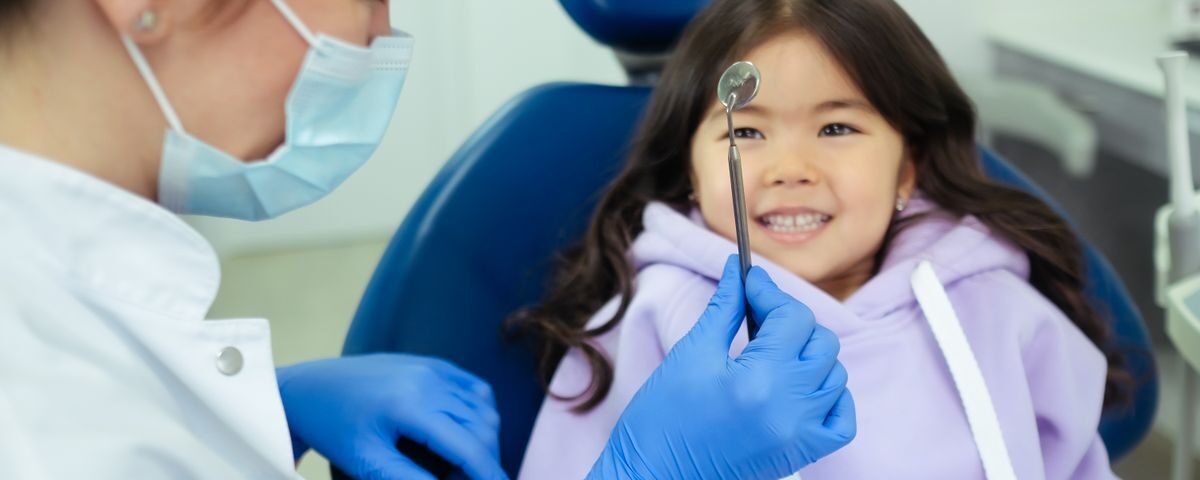
By Lovik Mirzaeian, DDS. Updated September 2026.
A child should see a dentist by their first birthday, or within six months of the first tooth coming through, whichever happens first. That sounds early to most parents. The reason is that decay in baby teeth is common, it moves quickly, and almost all of it is preventable with advice given before it starts.
The first visit is short and there is usually no treatment at all. Here is what actually happens and why it is worth doing.
Why Age One and Not Age Three
Tooth decay is the most common chronic condition of childhood, more common than asthma. It starts earlier than most parents expect, and in baby teeth it spreads fast because the enamel is thinner.
Almost everything that causes it is a habit: a bottle at bedtime, juice sipped through the day, sharing spoons in a way that passes on decay-causing bacteria, brushing that stops being supervised too soon. All of those are easy to change at twelve months and much harder to undo at three, once decay has already started.
The other reason is emotional. A child whose first dental visit involves nothing but a ride in the chair and a sticker builds a completely different relationship with it than one whose first visit involves a filling.
What the First Visit Looks Like
It takes about twenty minutes. For a very young child, the exam is often done knee to knee, with the child sitting on the parent lap facing them and tipping back so their head rests on the dentist knees. It is quick and children tolerate it well.
We look at the teeth that are through, check for early white spot lesions, look at how the bite is developing, and check the gums and the frenum. Then we talk to you about brushing, fluoride, bottles and cups, and what to expect over the next year. Sometimes fluoride varnish is painted on, which takes seconds.
There is no drilling, no needles, and nothing that hurts. If a child cries it is usually about being tipped back rather than anything else, and that is fine.
What to Do at Home Before Then
Wipe the gums with a soft damp cloth after feeds even before teeth arrive. Once the first tooth is through, brush twice a day with a smear of fluoride toothpaste the size of a grain of rice, moving to a pea-sized amount at age three.
Never put a child to bed with a bottle of anything but water. Milk and juice pool around the teeth for hours while saliva flow is low overnight, and that combination is responsible for a great deal of early decay.
Move from bottle to open cup around twelve months. Keep juice to mealtimes if you give it at all. Brush for your child until they can write their own name reasonably neatly, because before that they do not have the hand control to do it properly, however capable they seem.
The American Dental Association gives the same first birthday guidance, and it is worth reading alongside this.
Making It Go Well
Book a morning appointment when your child is rested. Talk about it positively but briefly, without a long build up. Avoid the words hurt, pain, needle and drill entirely, even in sentences meant to reassure, because children hear those words and not the rest of the sentence.
Let the child bring something familiar. Read a picture book about visiting the dentist beforehand. And if you are nervous yourself, try not to show it, children take their cue from the adult in the room more than from anything we say.
After the First Visit
Most children come every six months from then on. Sealants on the back teeth around age six, when the first permanent molars arrive, prevent a large share of childhood cavities and take a few minutes to place.
Our family dentistry care means the whole family can be seen in one place, which usually means fewer trips and a child who watches a parent go first without any fuss.
Common Worries Parents Bring Up
Thumb sucking and pacifiers are fine in the early years. It is worth starting to phase them out around age three, and by the time the adult front teeth arrive it matters more, because sustained pressure at that stage does change how the teeth sit.
Fluoride causes more anxiety than it needs to. The advice is simply about quantity: a rice grain smear under three, a pea from three onward, and supervising so it is spat out rather than swallowed. Used that way it is one of the most effective things available for preventing decay.
Gummy vitamins and fruit snacks surprise people. They stick to the grooves of molars for a long time and behave much like sweets, so they are better given at a mealtime than as a between-meal snack.
What Happens If a Baby Tooth Is Knocked Out or Decays
A knocked out baby tooth should never be put back, because replanting it risks damaging the adult tooth forming above. Call the same day so the socket and neighbouring teeth can be checked.
A badly decayed baby tooth is not something to leave until it falls out on its own. Infection at the root can damage the developing adult tooth underneath, and losing it early lets the neighbouring teeth drift into the space the adult tooth needs.
Frequently Asked Questions
When should a child first see a dentist?
By their first birthday, or within six months of the first tooth appearing, whichever comes first. That first visit is mostly about getting the child comfortable and giving parents the feeding and brushing guidance that prevents problems, rather than any treatment.
Is age one not too early for a dentist?
It feels early, but early childhood decay is common and it moves fast in baby teeth. Seeing a child at one means we catch the habits that cause it before the damage rather than after. It also means the child grows up finding the dentist ordinary, which is worth a lot later.
Do baby teeth really matter if they fall out anyway?
Yes. They hold the space for the adult teeth coming in behind them, and losing one early lets neighbouring teeth drift into the gap. They also affect speech and chewing, and an infected baby tooth can damage the adult tooth forming above it.
How do I stop my child being scared of the dentist?
Start early, before anything needs fixing, so the first memory is a friendly one. Avoid words like hurt, pain, shot or drill even when reassuring, because children hear the word not the reassurance. Say we are getting your teeth counted. And do not pass on your own nerves, children read parents closely.
Ready for Your Child First Visit? We Would Love to Meet Them
First visits here are relaxed, short, and aimed at making the chair a normal place to be. Whether your child is turning one or is a bit older and has never been, contact us to set up a consultation and we will make it easy.
Lovik Mirzaeian, DDS has achieved extensive training in multidisciplinary dental treatments. His credentials include Dental Implants, Cosmetic Dentistry, Full Mouth Reconstruction, Endodontics, Oral Surgery, Orthodontics, and Sleep Sedation. Our office puts your comfort and smile first, and we are dedicated to giving you top-notch dental care. Get ready to show off your perfect smile!
Looking for a trusted family dentist in Clovis? Dr. Mirzaeian welcomes new patients of all ages.