
Do I Really Need a Crown? What a Dentist Is Looking At

Signs You Grind Your Teeth at Night Without Knowing It
September 12, 2026
When Should a Child First See a Dentist?
September 14, 2026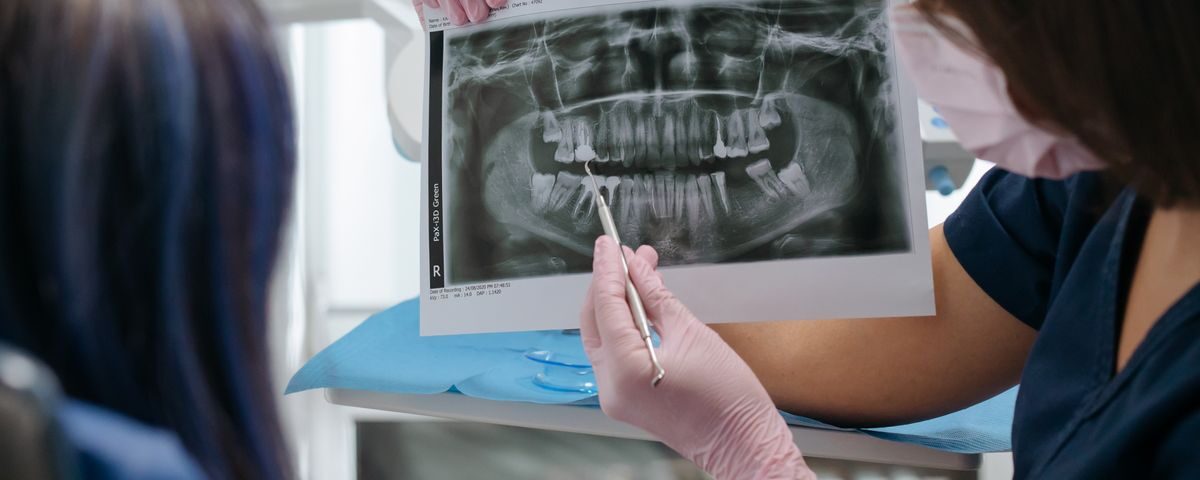
By Lovik Mirzaeian, DDS. Updated September 2026.
You need a crown when there is not enough solid tooth left to hold a filling safely. That usually means a large old filling that has failed, a cracked cusp, or a tooth that has had a root canal. If a dentist can restore the tooth with a filling and it will hold, a filling is the better choice.
Crowns are expensive, so it is fair to ask why one is being recommended. Here is what a dentist is actually looking at, and the questions worth asking before you agree.
What a Crown Does That a Filling Cannot
A filling fills a hole. It sits inside the tooth and depends on the surrounding walls to take the chewing force. A crown covers the tooth completely and takes the force itself, holding everything underneath together.
That difference only matters when the walls are weak. A small cavity in an otherwise solid tooth does not need a crown and never will. A tooth that is more filling than tooth is a different situation, because every bite is flexing walls that are already thin.
The Situations That Genuinely Call for One
A Cracked Cusp
A cusp is one of the raised points on a back tooth. When one cracks, chewing wedges the crack wider. Crowning holds the tooth together and stops the crack travelling. Left alone, cracks head downward, and a crack that reaches the root ends the tooth.
A Large Failed Filling
Old amalgam fillings expand and contract slightly with temperature over decades, and eventually the tooth around them cracks. Once the remaining walls are thin, replacing like for like just repeats the failure.
After a Root Canal
A back tooth that has had root canal treatment has been hollowed out and has lost its blood supply, which makes it more brittle. Crowning back teeth after root canals significantly reduces the chance of the tooth fracturing later. Front teeth are sometimes an exception because they take less force.
Decay That Reaches Below the Gumline
A filling needs a dry margin to bond to. When decay extends under the gum, a crown, sometimes with gum work first, is what gets a sealed margin.
Severe Wear
Teeth ground down over years lose height and the enamel that protects them. Crowns rebuild that, though this is usually part of a larger plan rather than a single tooth decision.
When a Crown Is Probably Not Needed Yet
A small to moderate cavity with plenty of solid tooth around it does not need one. A hairline craze line in enamel with no symptoms does not need one. A front tooth chip is usually bonding, not a crown. A tooth that only twinges to cold and has no decay may just be sensitivity.
If a crown is proposed for any of those, ask what specifically makes this tooth different.
The Questions Worth Asking
Ask to see it. A photo or an x-ray on the screen makes the decision obvious in most cases, and any dentist should be happy to show you.
Ask what happens if you wait six months. A straight answer tells you a lot. Sometimes waiting is genuinely fine. Sometimes it turns a crown into a root canal.
Ask whether a filling would hold, and for how long. If the honest answer is two years, that is useful information rather than a reason to be suspicious.
Ask what it costs in total, including the core buildup and any temporary. And if the number is large, get a second opinion. The American Dental Association describes the same criteria, and comparing what you are told against a neutral source is reasonable.
Why the Timing Matters
Cracks do not heal. They propagate, slowly, with every bite. Caught while the crack is in the crown of the tooth, a crown solves it. Once the crack reaches the pulp you need a root canal as well. Once it splits the root, the tooth comes out and you are looking at a dental implant instead.
That is the real argument for not waiting, and it has nothing to do with sales.
Frequently Asked Questions
Do I really need a crown or can I get a filling instead?
It comes down to how much healthy tooth is left. A filling sits inside the tooth and relies on the walls around it for strength. Once roughly half the tooth structure is gone, or a cusp is cracked, those walls will fracture under normal chewing. At that point a crown is not an upgrade, it is what holds the tooth together.
Is it worth getting a second opinion on a crown?
Yes, and no reasonable dentist will mind. Ask for the photo or the x-ray, take it with you, and see someone else. Second opinions are normal for anything expensive, and the answer is usually the same, which is reassuring in itself.
What happens if I put off getting a crown?
Sometimes nothing for a while. But a cracked tooth left alone tends to crack further, and once a crack reaches the nerve the treatment becomes a root canal and a crown rather than just a crown. If it reaches the bone the tooth cannot be kept at all. Delay usually raises the cost rather than avoiding it.
Can a crowned tooth still get a cavity?
Yes, at the margin where the crown meets the tooth. The crown itself cannot decay, but the natural tooth just below it can, and that decay is harder to spot. This is one reason crowned teeth still need regular exams and good flossing at the gumline.
Want a Second Opinion on a Crown? Bring It In
If you have been told you need a crown and you are not sure, we are happy to look and tell you what we see, including if we think a filling would do. Bring any x-rays you have. Contact us to set up a consultation and we will go through it with you on the screen.
Lovik Mirzaeian, DDS has achieved extensive training in multidisciplinary dental treatments. His credentials include Dental Implants, Cosmetic Dentistry, Full Mouth Reconstruction, Endodontics, Oral Surgery, Orthodontics, and Sleep Sedation. Our office puts your comfort and smile first, and we are dedicated to giving you top-notch dental care. Get ready to show off your perfect smile!
Looking for a trusted family dentist in Clovis? Dr. Mirzaeian welcomes new patients of all ages.


